
Future Ready Program
Developing the skills that matter — for school, life, and a rapidly changing world.
Why Future Ready?
The world which students are growing into is changing faster than ever.Success today is no longer defined by what you know —
but by how you think, your self-awareness, how you adapt, how you relate to others, how you navigate complexity, and your ability to think and act from a grounded sense of self.Academic knowledge still matters. But it is no longer enough on its own. In fact it never was.Students need the ability to:
- think critically and learn independently
- manage themselves and their wellbeing with a strong sense of self
- collaborate and communicate effectively
- navigate technology, AI, and information responsiblyThe challenge is:
These capabilities are rarely developed intentionally or supported in a structured way — and are often left to develop passively through experience and trial and error.
What is the Future Ready Program?
The Future Ready Program is a structured approach to developing the capabilities that shape how students learn, grow, and show up in the world.Through self-assessment, reflection, and targeted learning pathways, students build awareness, strengthen their sense of self, and take ownership of their growth over time.We encourage teachers and parents to engage in the process as well, helping create a shared culture of reflection and recognizing that this kind of growth is lifelong.
This is not a one-time activity.
It is an ongoing practice that becomes a lifelong habit — shaping how students think, reflect, and grow from within.
A whole student approach
The program empowers one to develops across four essential domains:PERSONAL MASTERY — THE INNER JOURNEY
This is where everything begins.
Students develop awareness of how they think, learn, and manage themselves — building the foundation for focus, resilience, and intentional growth.INTERPERSONAL SKILLS - HOW YOU SHOW UP
Often referred to as character, this is how students interact with others and contribute to the world around them.
This includes how they make decisions, communicate, collaborate, and act with integrity.DIGITAL LITERACY - NAVIGATING A CHANGING WORLD
Students learn to operate effectively in a world shaped by technology, AI, and information.
This is not just about tools — it’s about judgement, responsibility, and discernment.PHYSICAL WELLNESS - THE FOUNDATION
Cognitive performance, emotional regulation, and resilience all depend on physical wellbeing.
Students develop habits that support energy, focus, and long-term health.These domains are interconnected:
- You cannot think clearly without managing your wellbeing
- You cannot collaborate without emotional awareness
- You cannot thrive without understanding the digital world
Future readiness is not one skill — it is a SYSTEM that nurtures self-aware, empowered, balanced, capable, and resilient individuals.
How it works
SELF-ASSESS
Students respond to real-world scenarios and reflective statements, considering how they typically think, act, and show up.
There are no right or wrong answers — only an opportunity for honest reflection.INSIGHT AND AWARENESS
Students receive a profile showing strengths and areas for growth.FOCUS AND REFLECT
Students identify key areas to develop and set intentions for growth.LEARN AND APPLY
Students engage with targeted learning materials and complete guided activities.TRACK GROWTH OVER TIME
Through ongoing reflection and repeated assessments, students build awareness, habits, and capability over time.
WHY IT MATTERS
When students build these skills, they become:
→ more self-aware and independent learners
→ more resilient and adaptable
→ more confident in navigating challenges
→ more effective in working with others
→ better prepared for life beyond schoolThis is about preparing students not just for exams —
but for the complexity of the real world.
for students, schools and communities
The Future Ready Program supports:STUDENTS
→ developing self-awareness and taking ownership of their growthFAMILIES
→ engaging in the journey and reinforcing growth through shared understandingTEACHERS
→ guiding development beyond academicsSCHOOLS
→ building a shared language and structure for whole-student growthCOMMUNITIES
→ supporting the development of thoughtful, capable young people
Self-Assessment
Understand Where You Are Today
The Future Ready self-assessment is the starting point of your development journey.It helps you reflect on your habits, behaviours, and mindset across key areas — building awareness of your strengths and identifying opportunities for growth.This is not a test.
There are no right or wrong answers.It is a tool to help you better understand yourself and take ownership of your development.
Choose your assessment
Once you have completed the assessment, your teacher will send you your results.
Upon Completion
Once students complete the assessment, results are compiled into individual and group reports to share and discuss within the class.
See an example student report below.
My Focus Plan
Turning Insight Into Action
After completing the self-assessment, you engage in a structured reflection and focus plan.This process helps:
- make sense of results
- reflect on strengths and growth areas
- choose 1–2 focus areas
- develop simple, actionable strategies for improvementYou also consider what support you need and reflect on patterns across the class and community.
what students do
You then complete a guided assignment that includes:
- comparing your initial self-perception with your results
- identifying key strengths and areas for growth
- selecting personal focus areas
- creating a simple action plan
- reflecting on how you can grow individually and as part of a community
Experience the Process
Reflection assignments can be tailored to the grade, school or community engaging in the self reflection. See an example self reflection assignment below.
Next steps
Once you have identified your focus areas:
- Go to the Learning Hub
- Find your selected dimensions
- Begin working on your growth through guided materials and worksheets
Learning Hub
BUILD YOUR SKILLS
Once you’ve identified your focus areas, the Learning Hub is where you begin working on them.Each area includes:
- a short overview of the skill
- resources to deepen your understanding
- a worksheet to help you apply your learning
How to use the learning hub
- Choose your focus area(s)
- Open the corresponding learning page
- Review the overview and resources
- Download and complete the worksheet
focus area 1: Personal Mastery
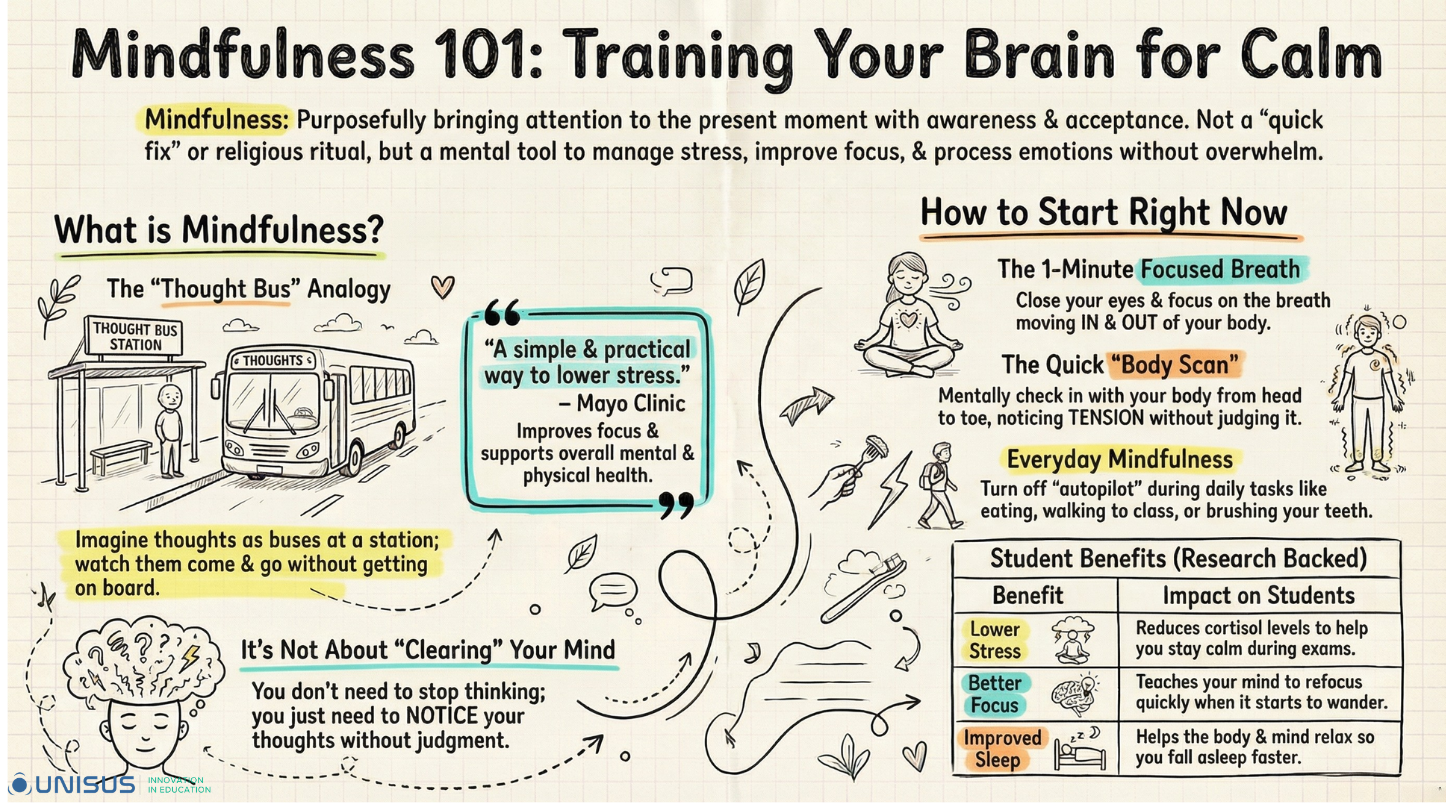
Mindfulness
Mindfulness is the ability to be present and aware of your thoughts, emotions, and surroundings. It helps you slow down, focus your attention, and respond more thoughtfully rather than reacting automatically.
 Start My Worksheet
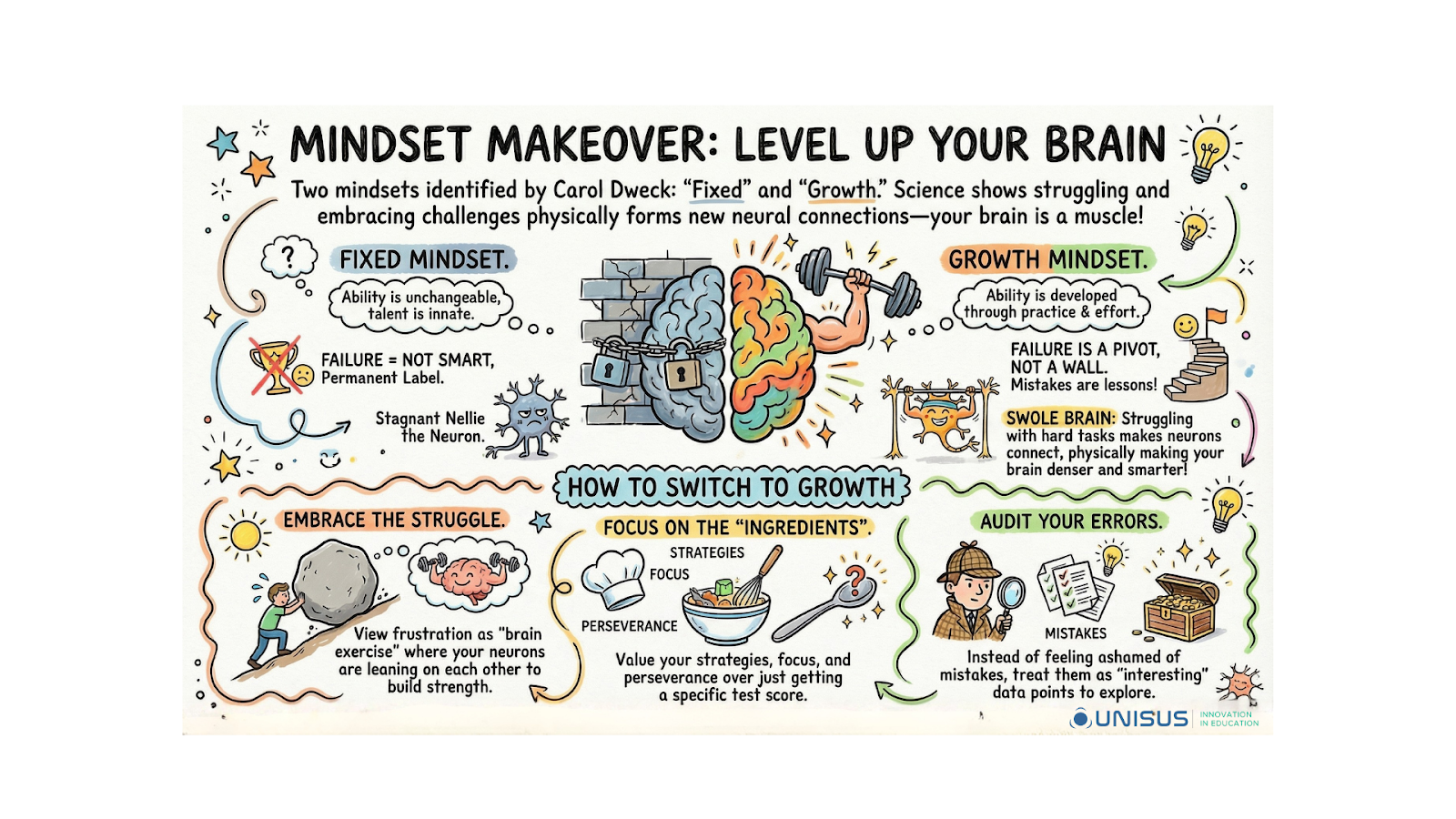
Growth Mindset
Growth mindset is the belief that your abilities can improve through effort, practice, and learning. It helps you embrace challenges, learn from mistakes, and stay motivated when things feel hard.
 Start My Worksheet
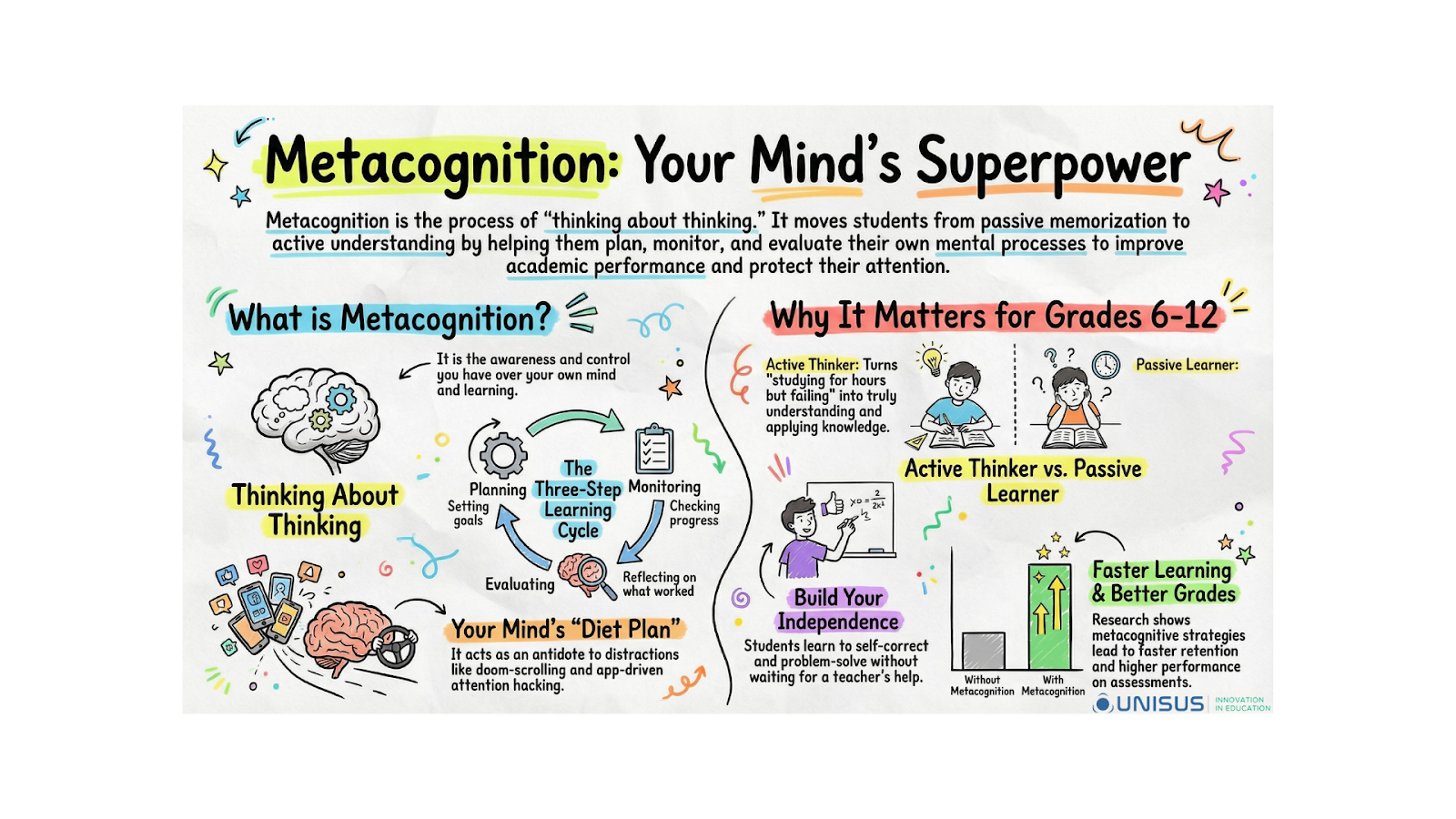
Metacognition
Metacognition means thinking about your own thinking and learning. It helps you notice what strategies are working, understand how you learn best, and make better choices about how to improve.
 Start My Worksheet
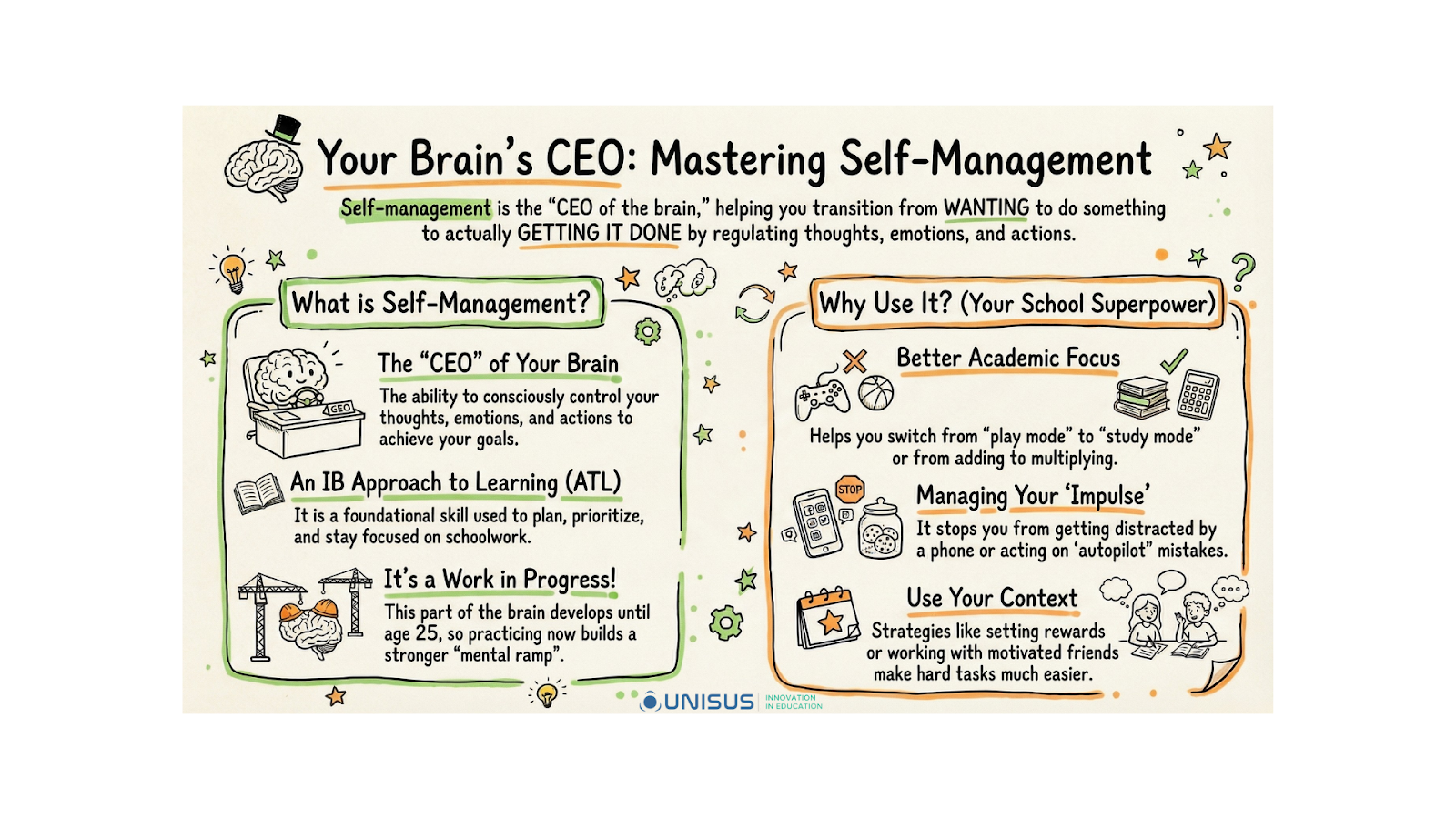
Self-Management
Self-management is the ability to stay organized, focused, and responsible with your time, tasks, and behaviour. It helps you follow through on goals, manage distractions, and build habits that support success.
 Start My Worksheet
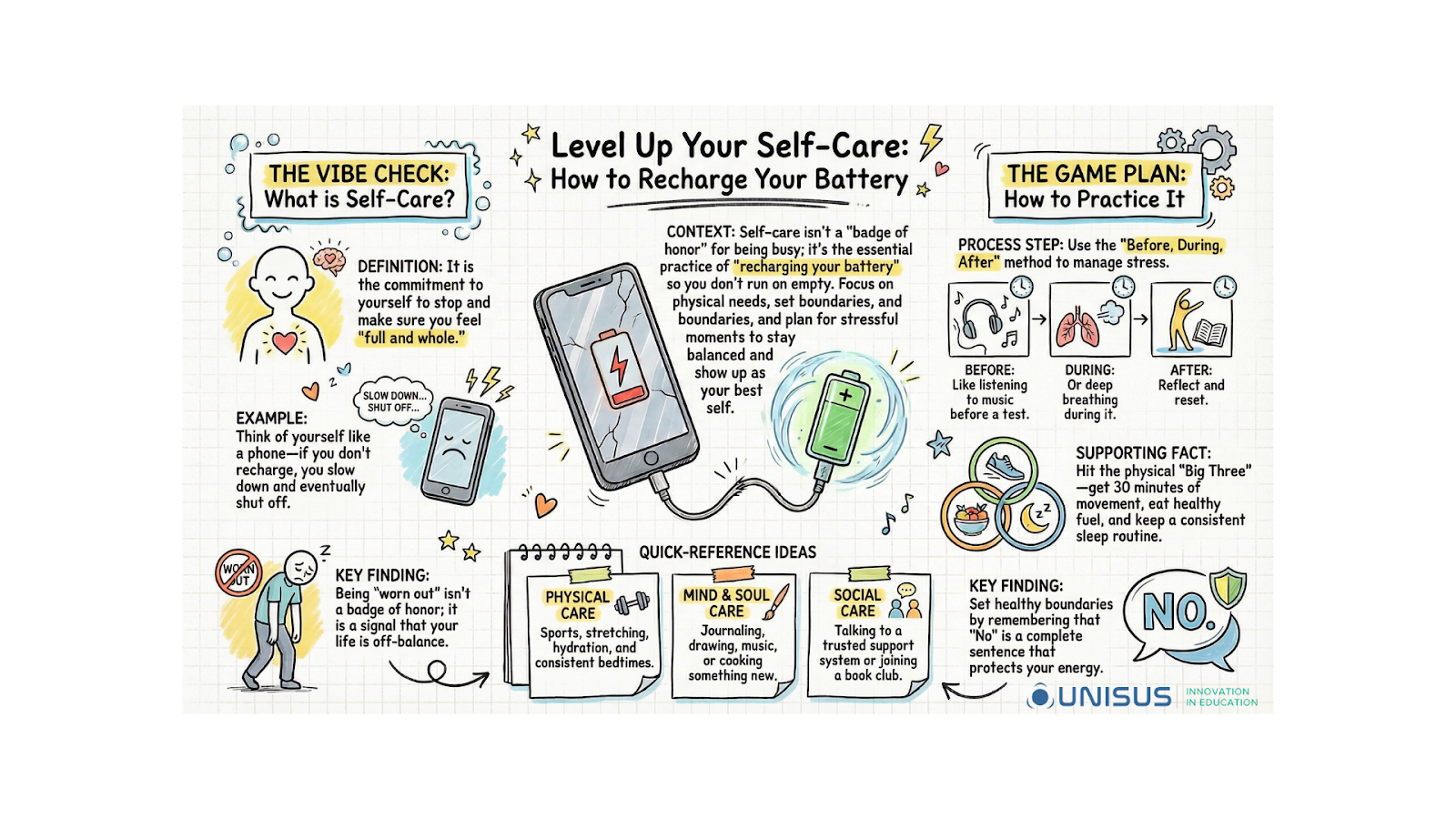
Self-Care
Self-care means noticing what supports your wellbeing and taking actions that help you stay healthy, balanced, and resilient. It includes physical, emotional, and mental habits that help you function at your best.
 Start My Worksheet
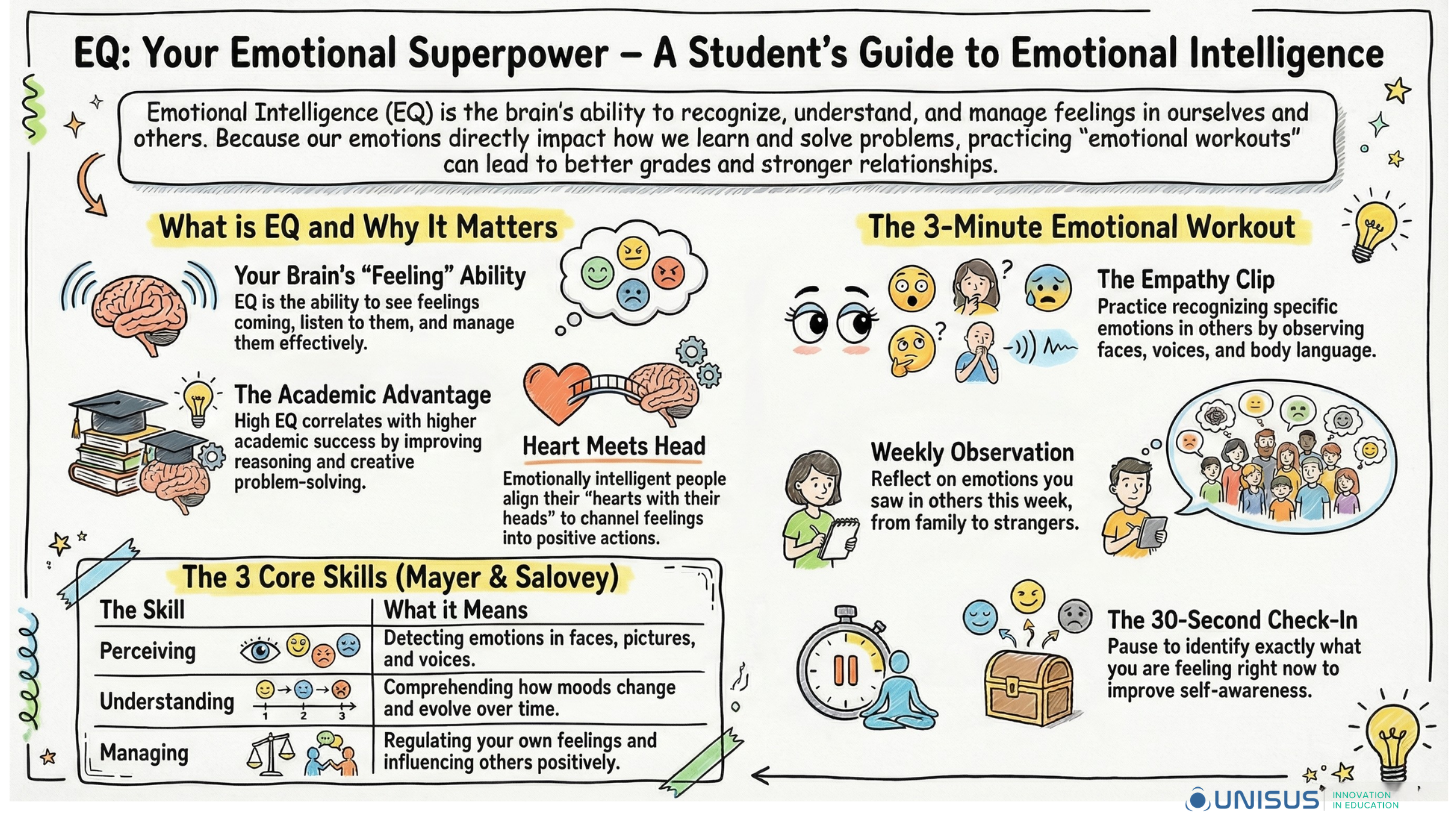
Emotional Intelligence
Emotional intelligence is the ability to recognize, understand, and manage your own emotions while also being aware of the feelings of others. It supports empathy, self-awareness, communication, and healthy relationships.
 Start My Worksheet
focus area 2: Interpersonal Skills
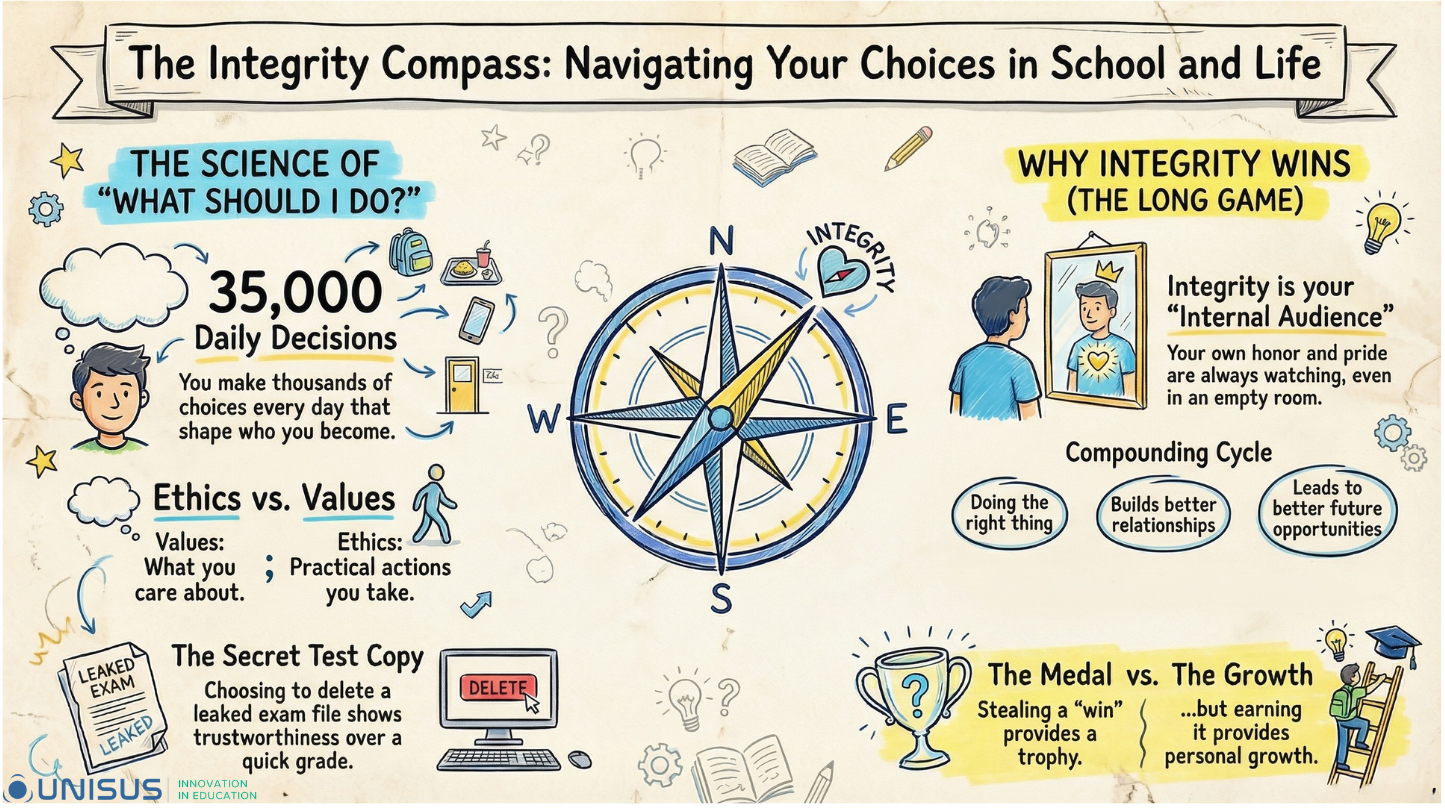
Ethics
Ethics is about making thoughtful choices based on honesty, fairness, responsibility, and respect for others. It helps guide how you act, even when situations are difficult.
 Start My Worksheet
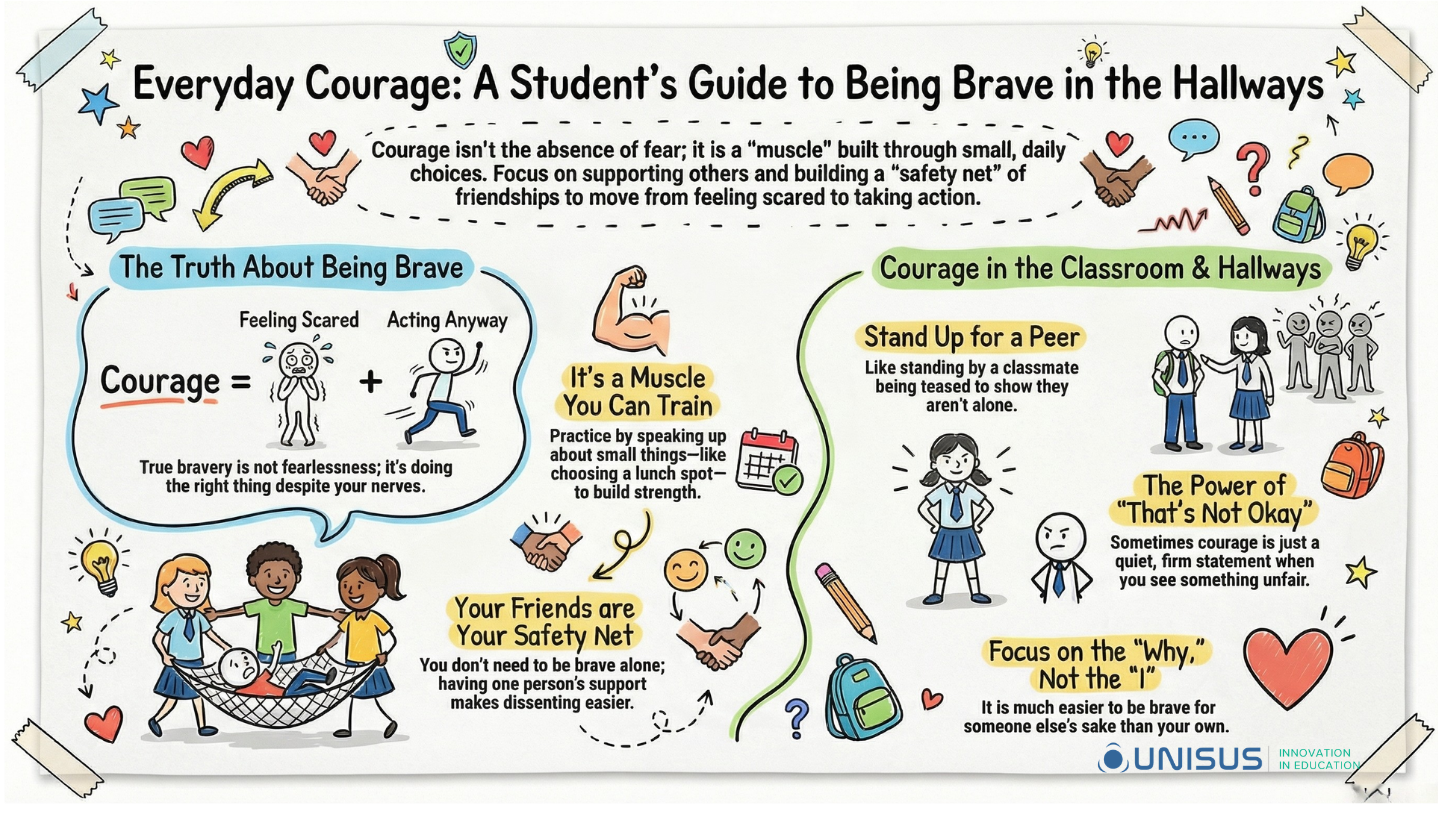
Courage
Courage is the willingness to take risks, face challenges, and do what is right even when it feels uncomfortable. It supports growth, leadership, and confidence.
 Start My Worksheet
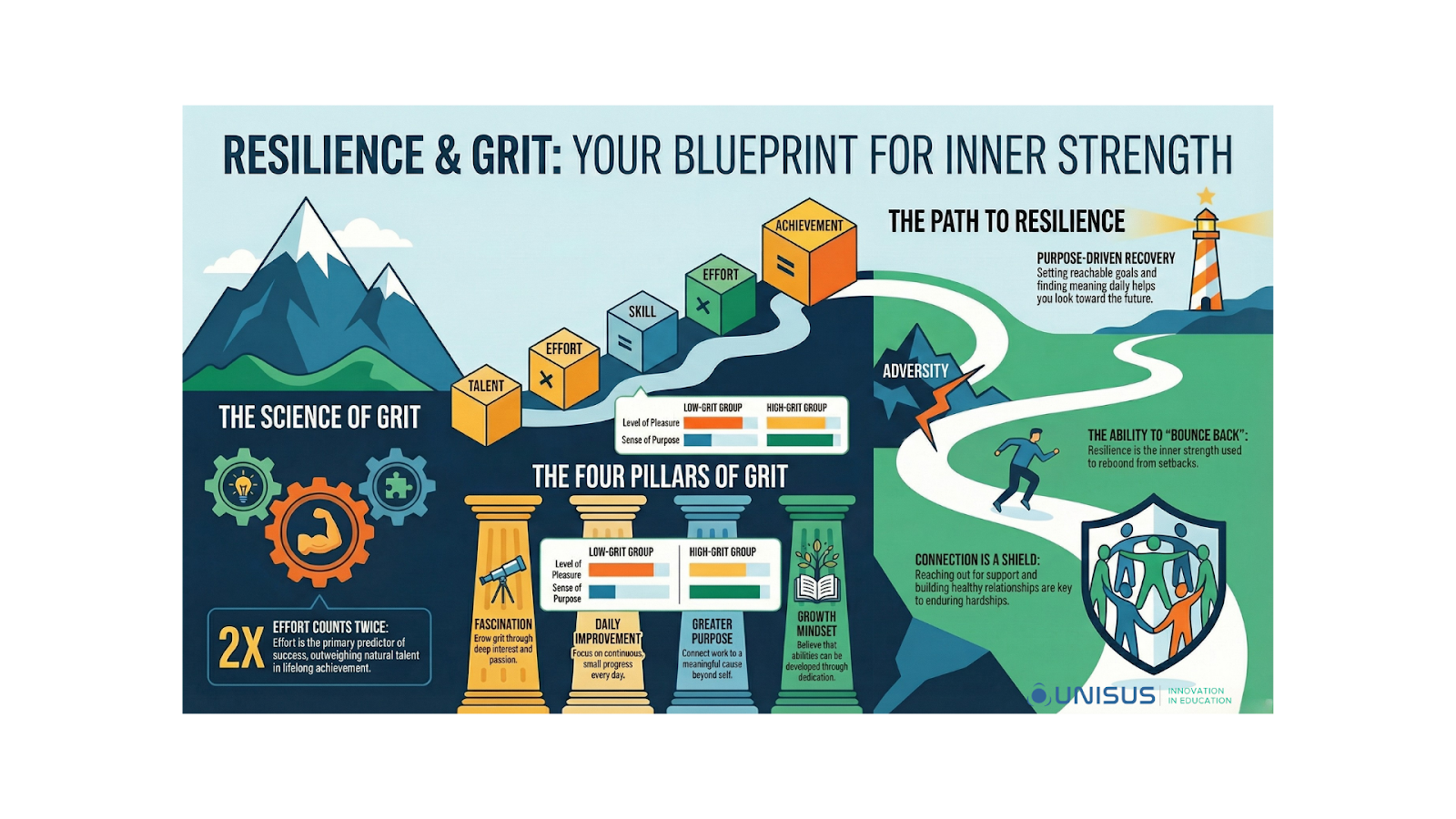
Resilience
Resilience is the ability to recover from setbacks, adapt to change, and keep going when things feel difficult. It helps you learn from challenges and build strength over time.
 Start My Worksheet
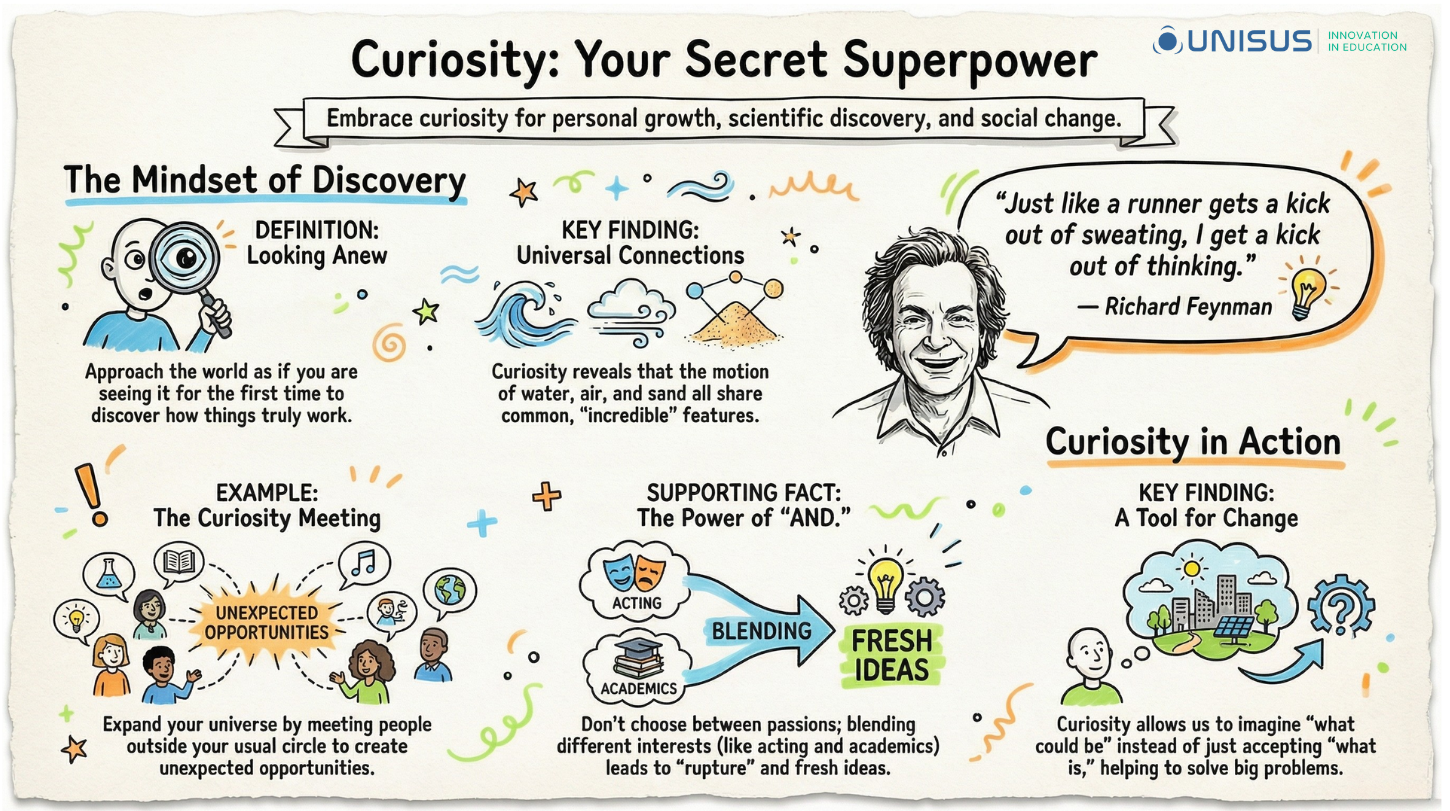
Curiosity
Curiosity is the desire to ask questions, explore ideas, and keep learning. It helps you stay engaged, open-minded, and motivated to understand more deeply.
 Start My Worksheet
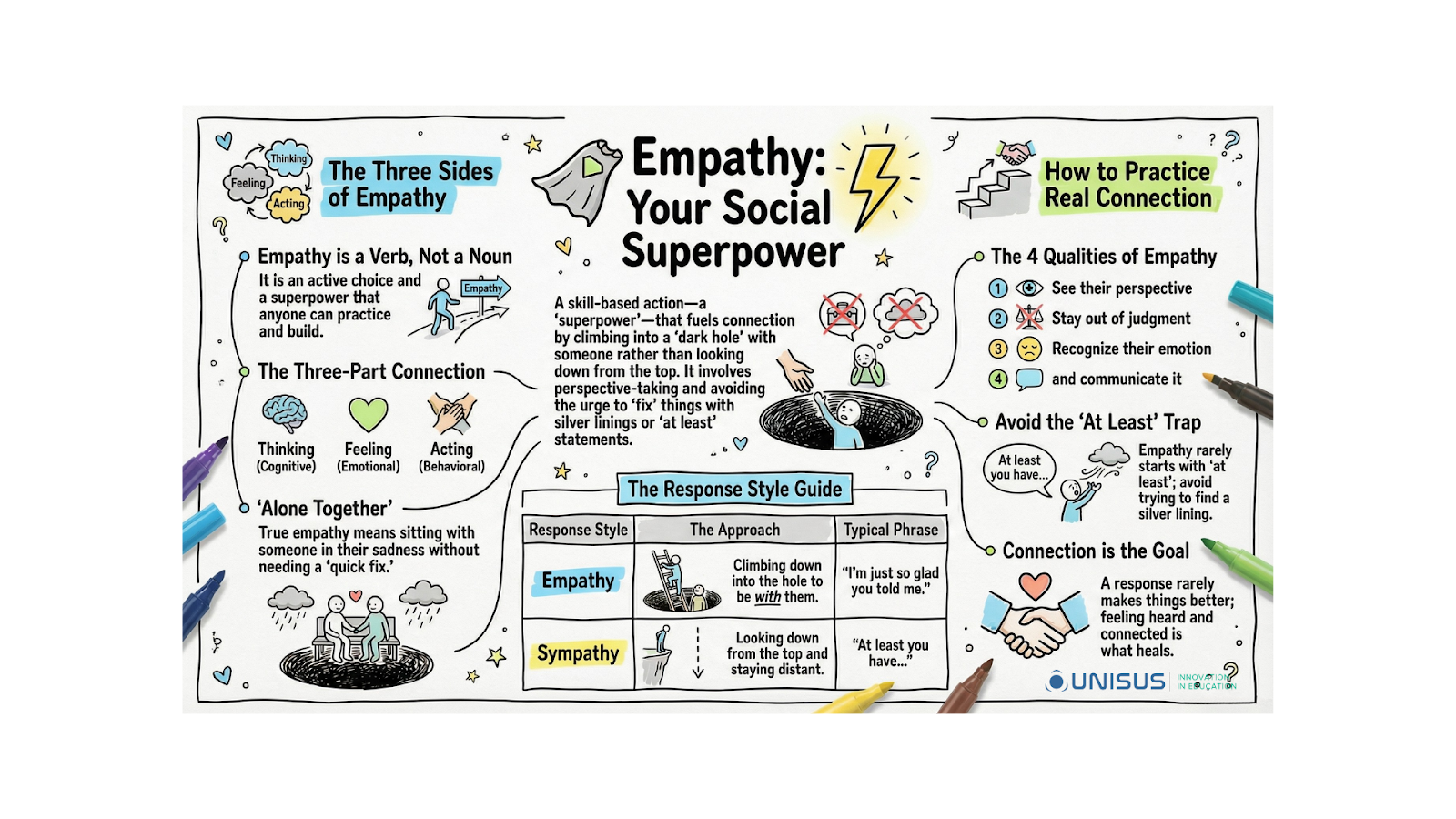
Empathy and Care for Others
Empathy means understanding and valuing how others feel. It supports kindness, inclusion, compassion, and strong relationships.
 Start My Worksheet
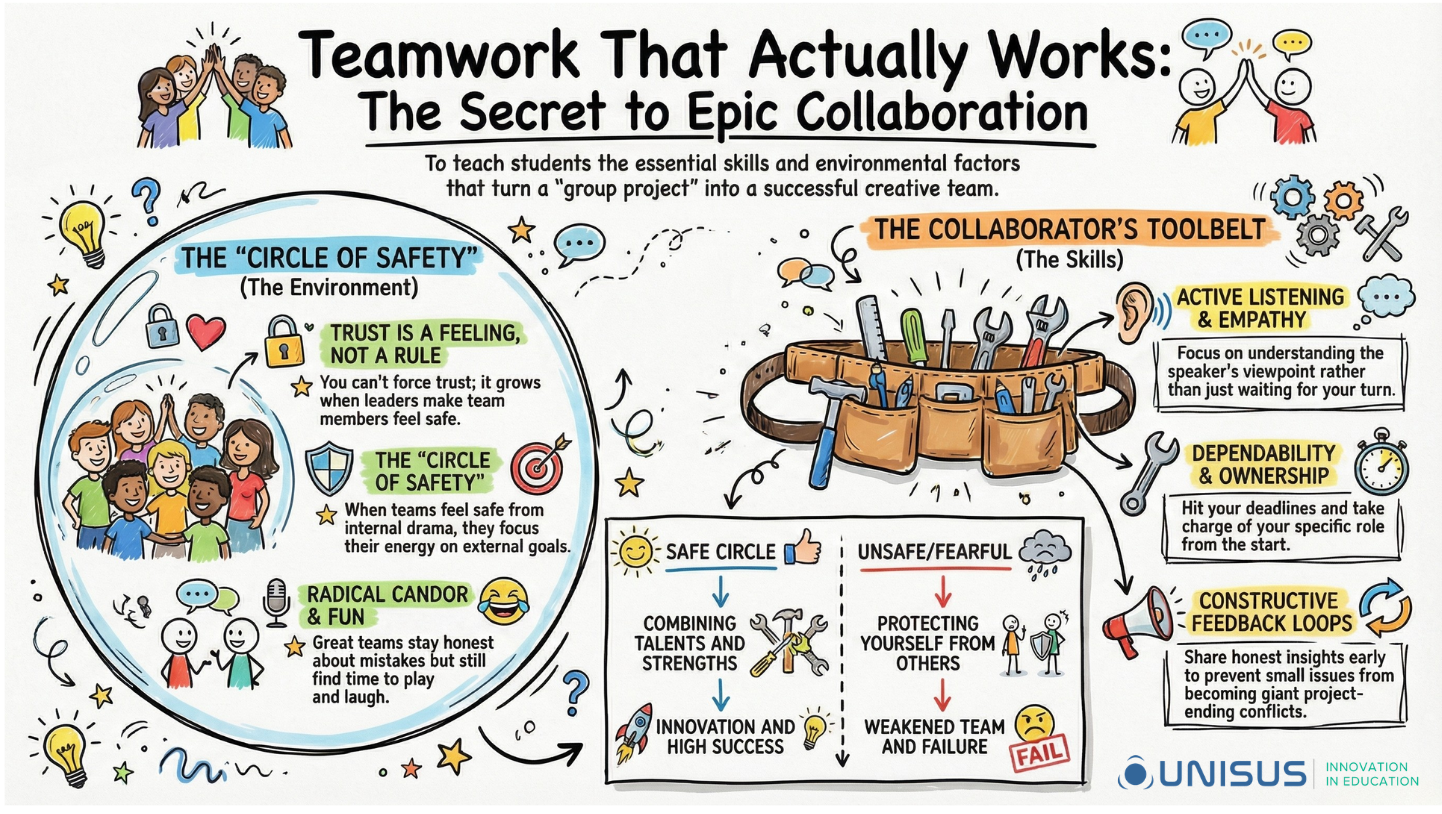
Collaboration and Leadership
Collaboration and leadership involve working effectively with others, contributing to shared goals, and stepping up to guide when needed. It includes listening, supporting others, and helping teams succeed.
 Start My Worksheet
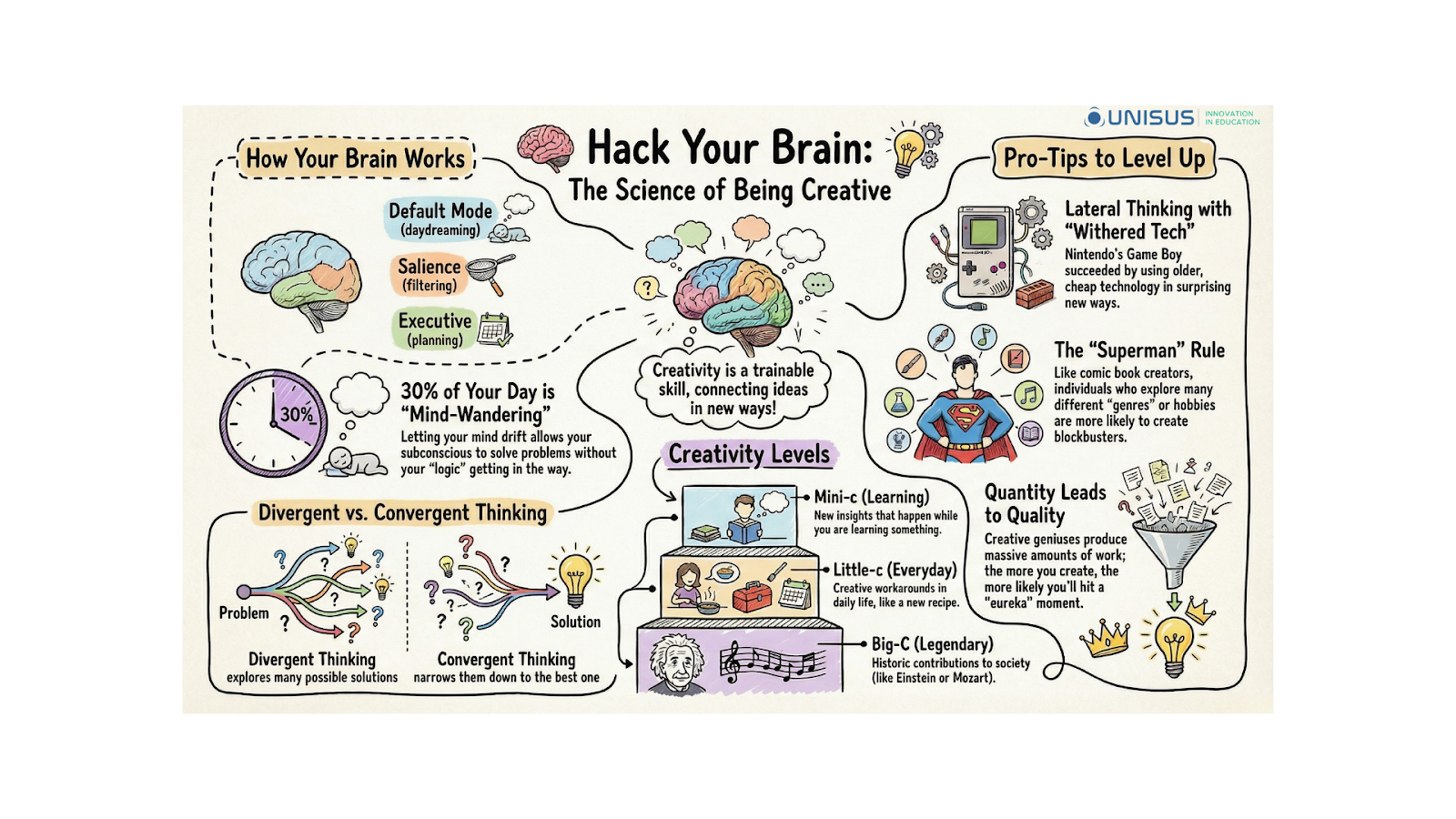
Creativity
Creativity is the ability to generate ideas, see possibilities, and approach challenges in original ways. It helps you think beyond the obvious and express yourself.
 Start My Worksheet
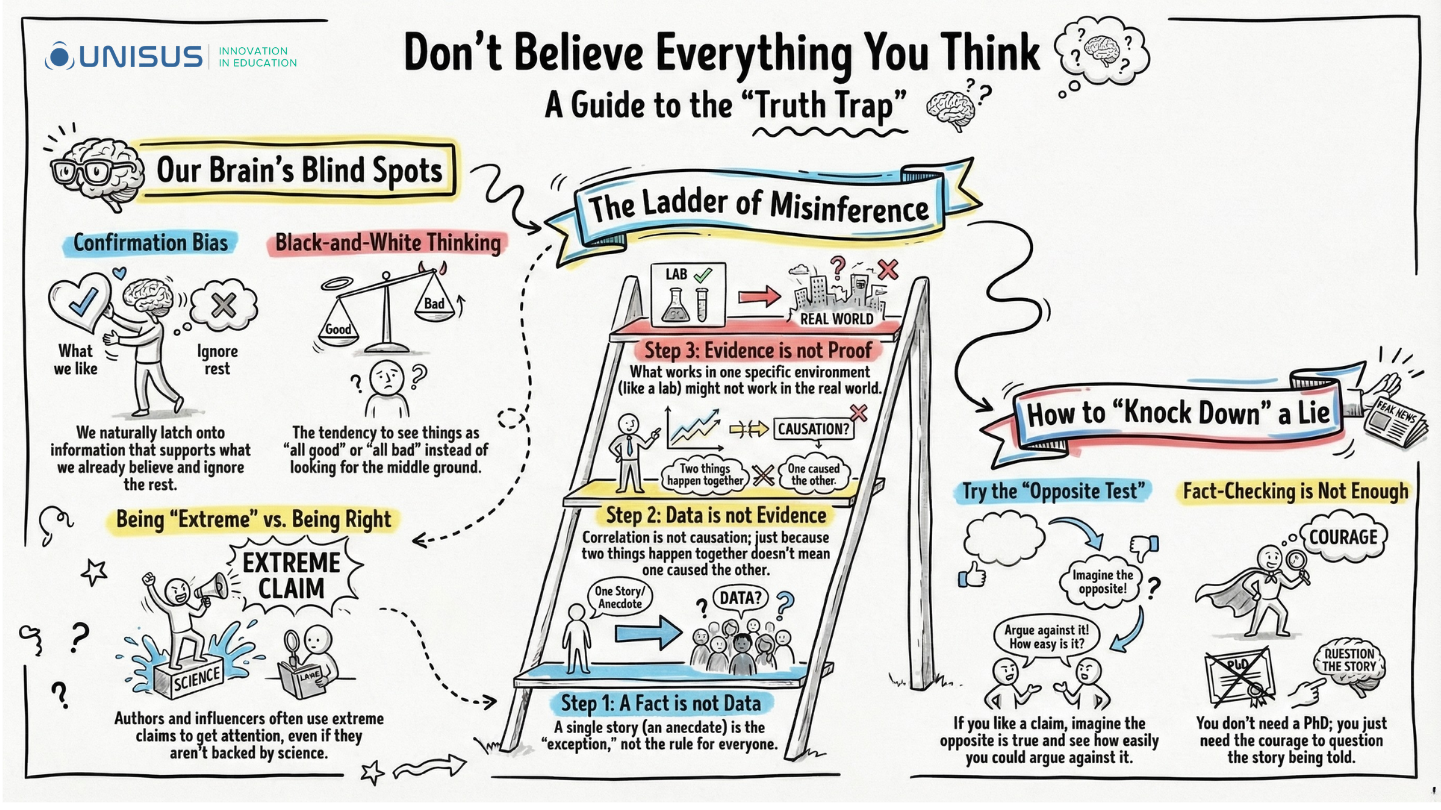
Critical Thinking
Critical thinking is the ability to analyze information, question assumptions, and make reasoned decisions. It supports strong problem-solving and independent thinking.
 Start My Worksheet
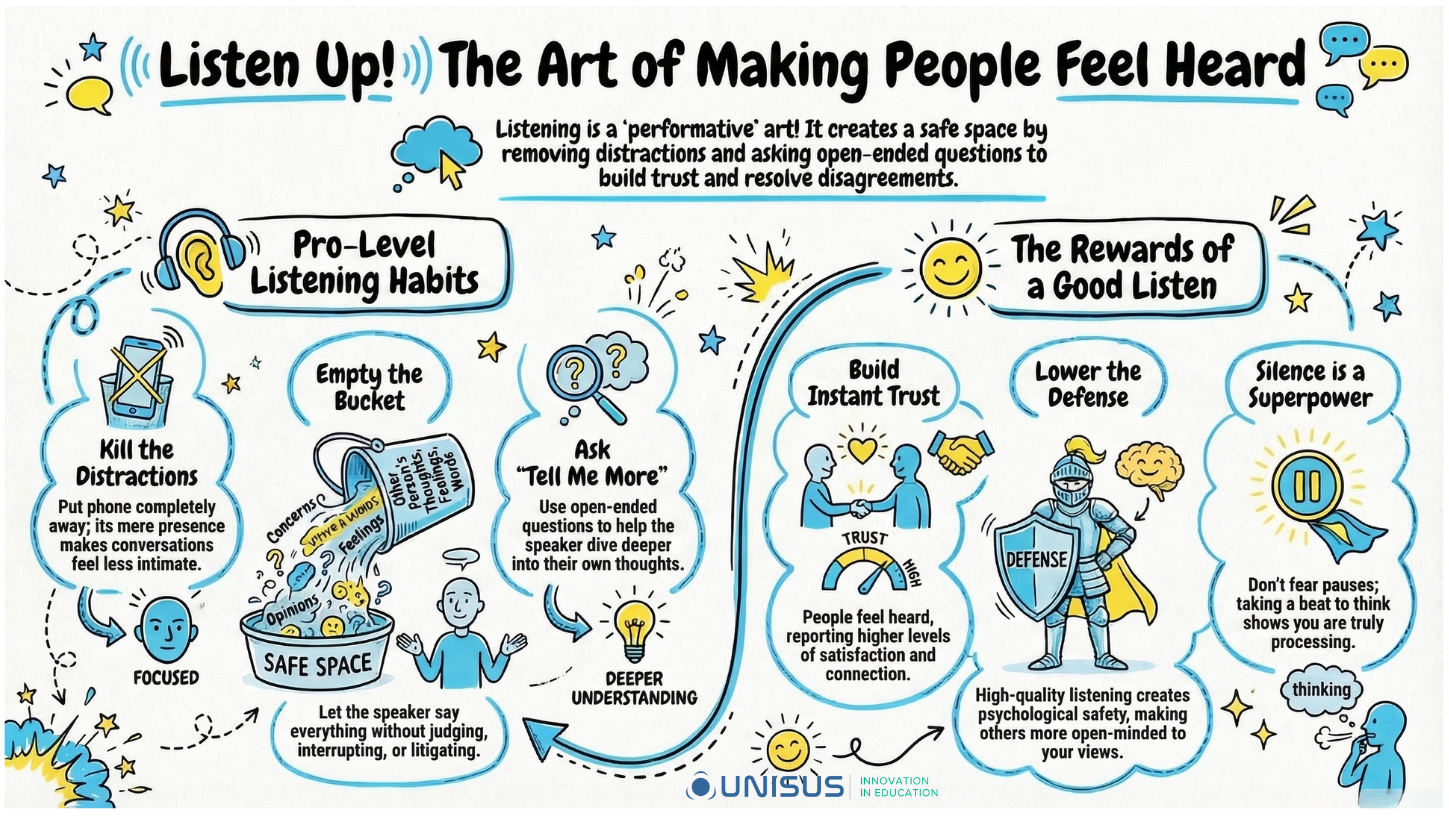
Communication and Listening
Communication and listening involve expressing ideas clearly while also understanding others. It supports connection, collaboration, and effective teamwork.
 Start My Worksheet
focus area 3: Physical WEllness
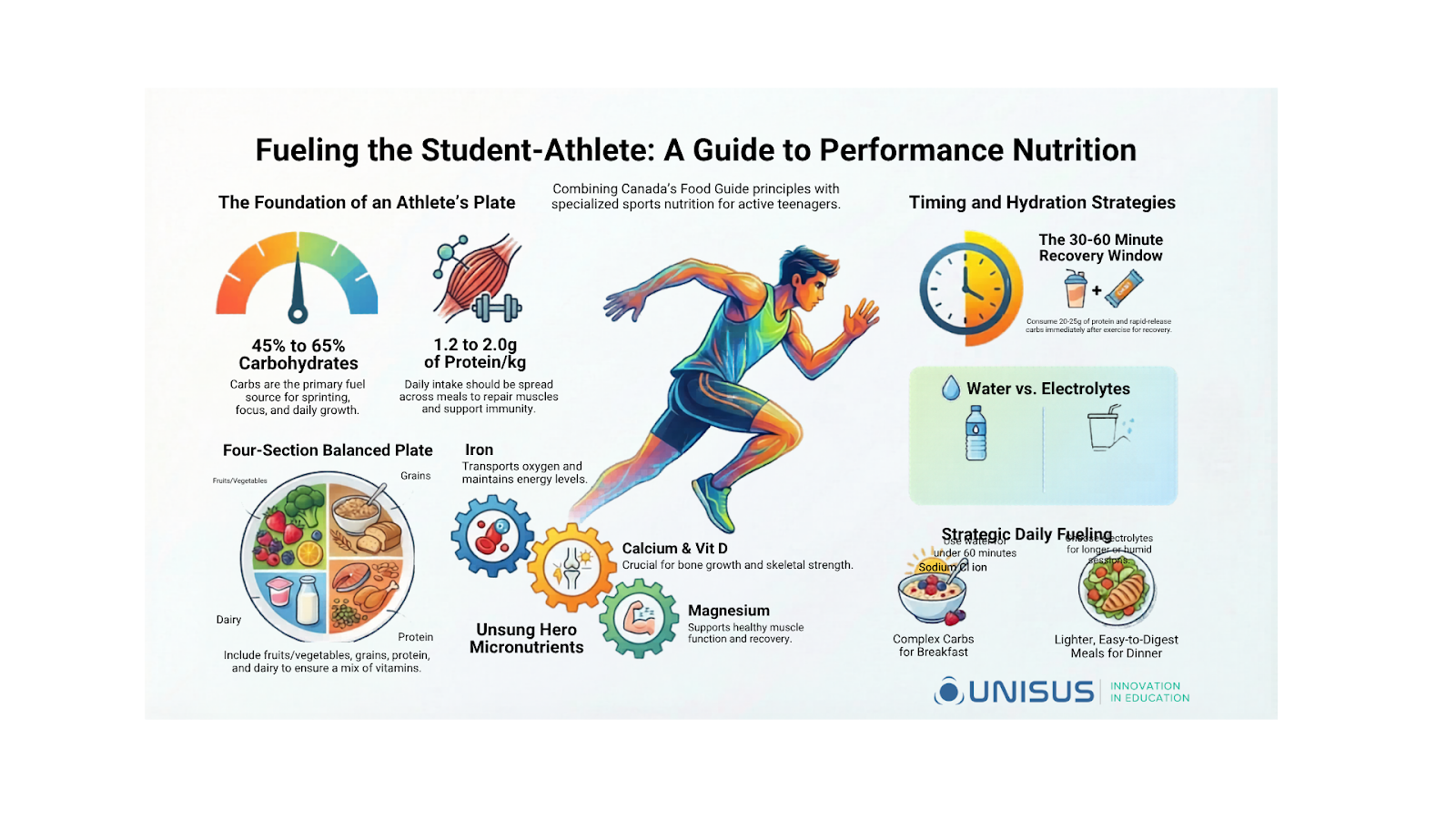
Nutrition and Hydration
Nutrition and hydration are your body’s fuel system. What you eat and drink affects your energy, focus, mood, recovery, and how well your body grows and functions day to day. When you are under-fueled through skipping meals, not drinking enough water, or relying too much on sugary drinks, it becomes much easier to feel tired, unfocused, irritable, or low in energy, especially during busy school weeks and sports.
 Start My Worksheet
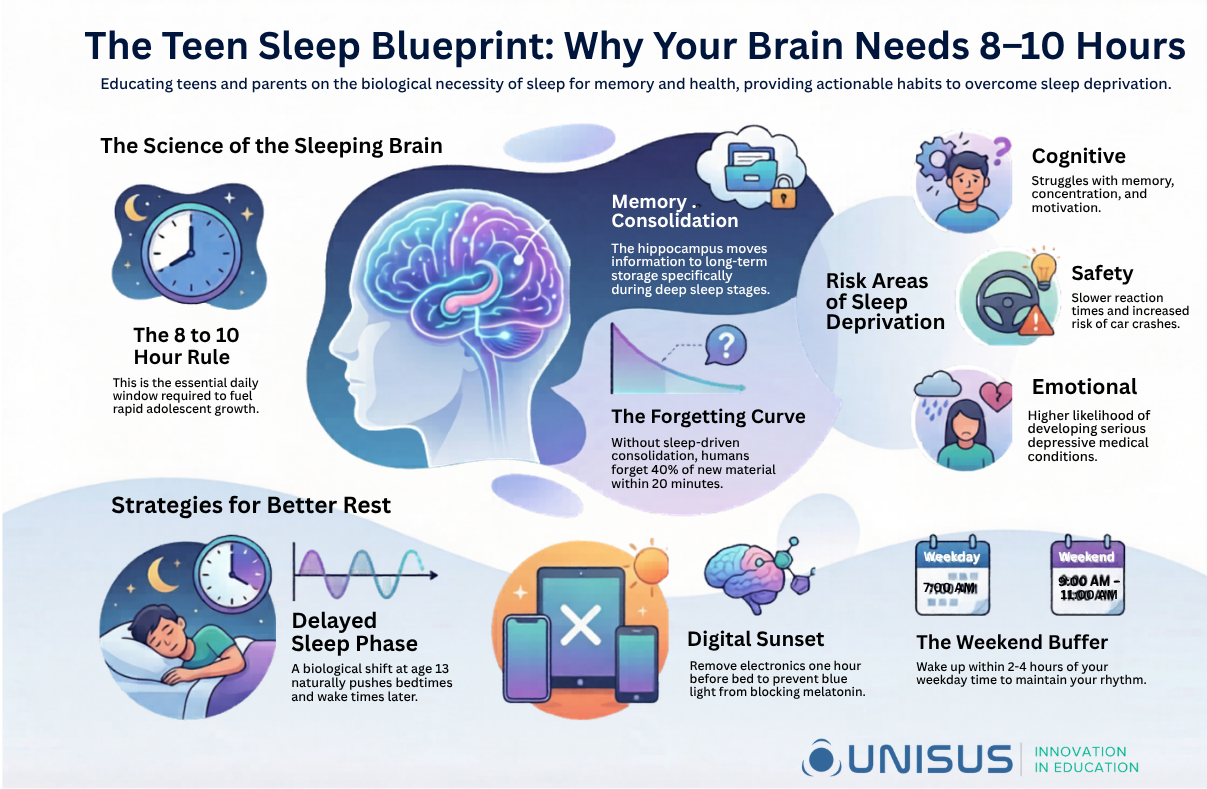
Sleep
Sleep supports memory, concentration, emotional regulation, recovery, and performance. Strong sleep habits help you think clearly, manage stress more effectively, and show up with more consistency in learning, sport, and daily life.
 Start My Worksheet
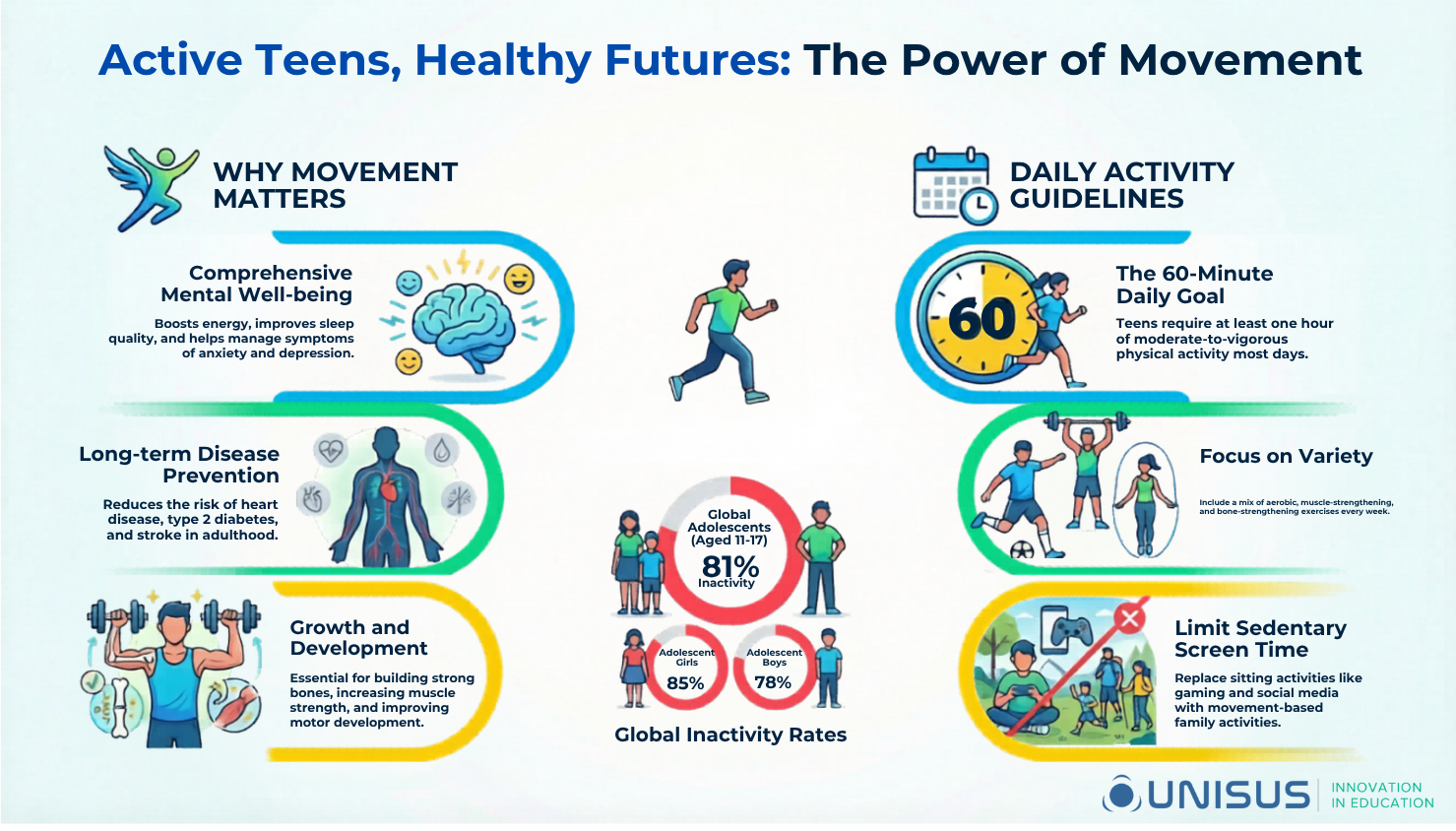
Movement
Movement supports physical health, stress reduction, resilience, and readiness to learn. Regular movement helps build strength, improve mood and focus, and support the overall wellbeing needed to perform well in school, sport, and everyday life.
 Start My Worksheet
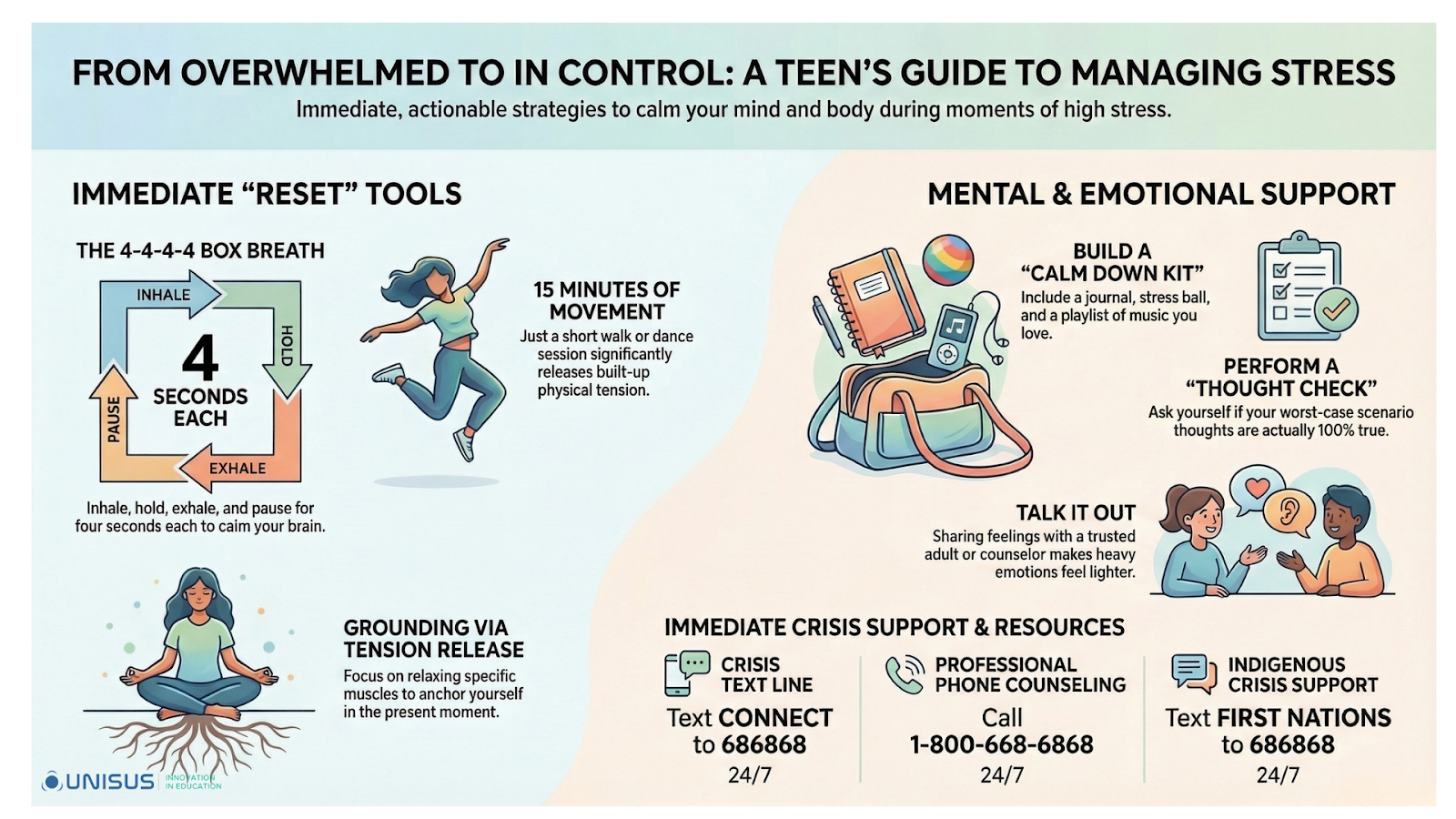
Stress Management
Stress management helps you respond to pressure in healthy ways, build resilience, and maintain balance across school, sport, relationships, and life. Learning how to recognize stress and use supportive strategies is an important part of long-term wellbeing and performance.
 Start My Worksheet
focus area 4: digital literacy
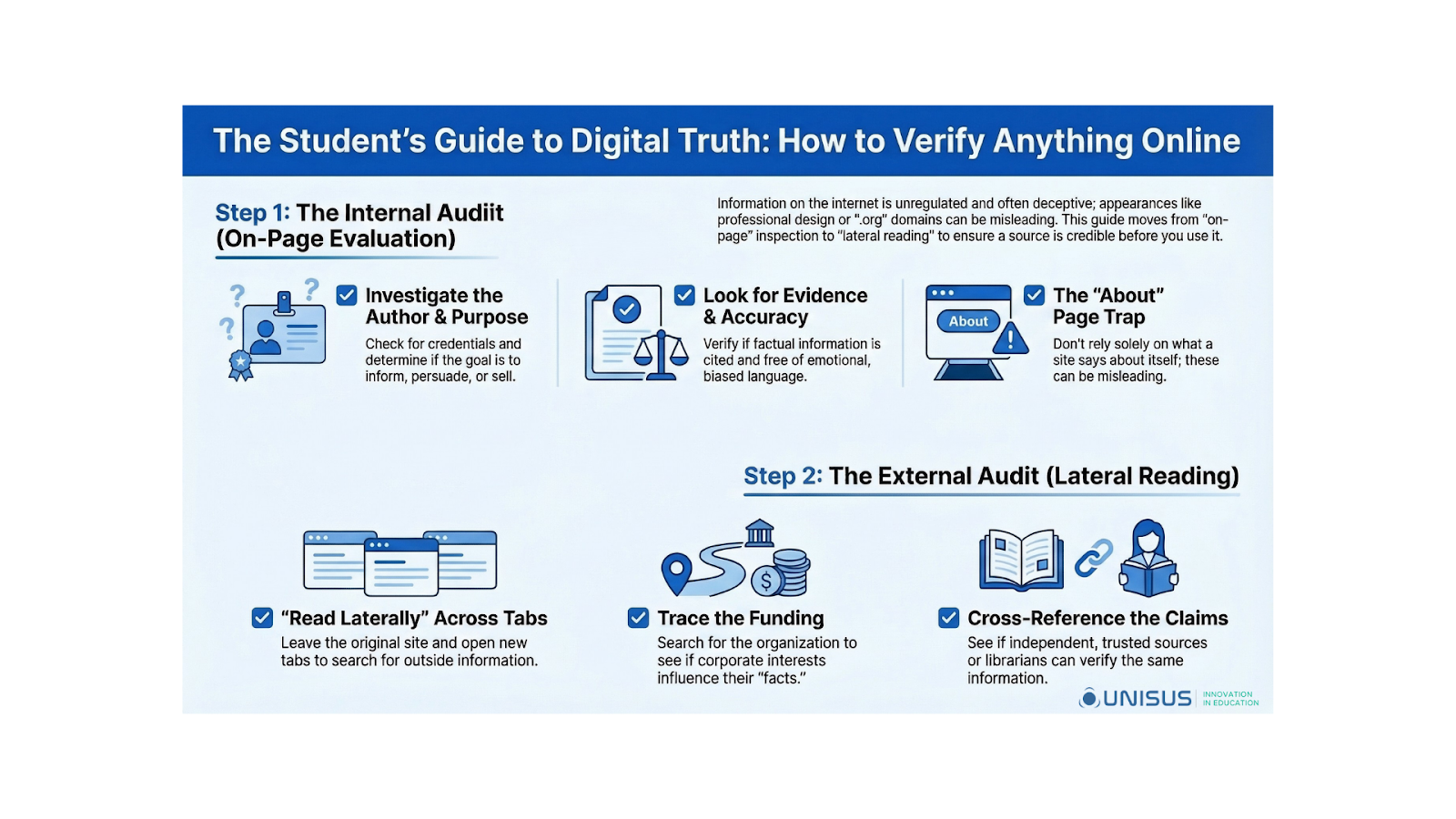
Digital Tools and Learning
Digital tools support how you learn, create, organize, and communicate. Using them well helps you research effectively, manage your work, collaborate with others, and produce high-quality learning in a digital world.
 Start My Worksheet
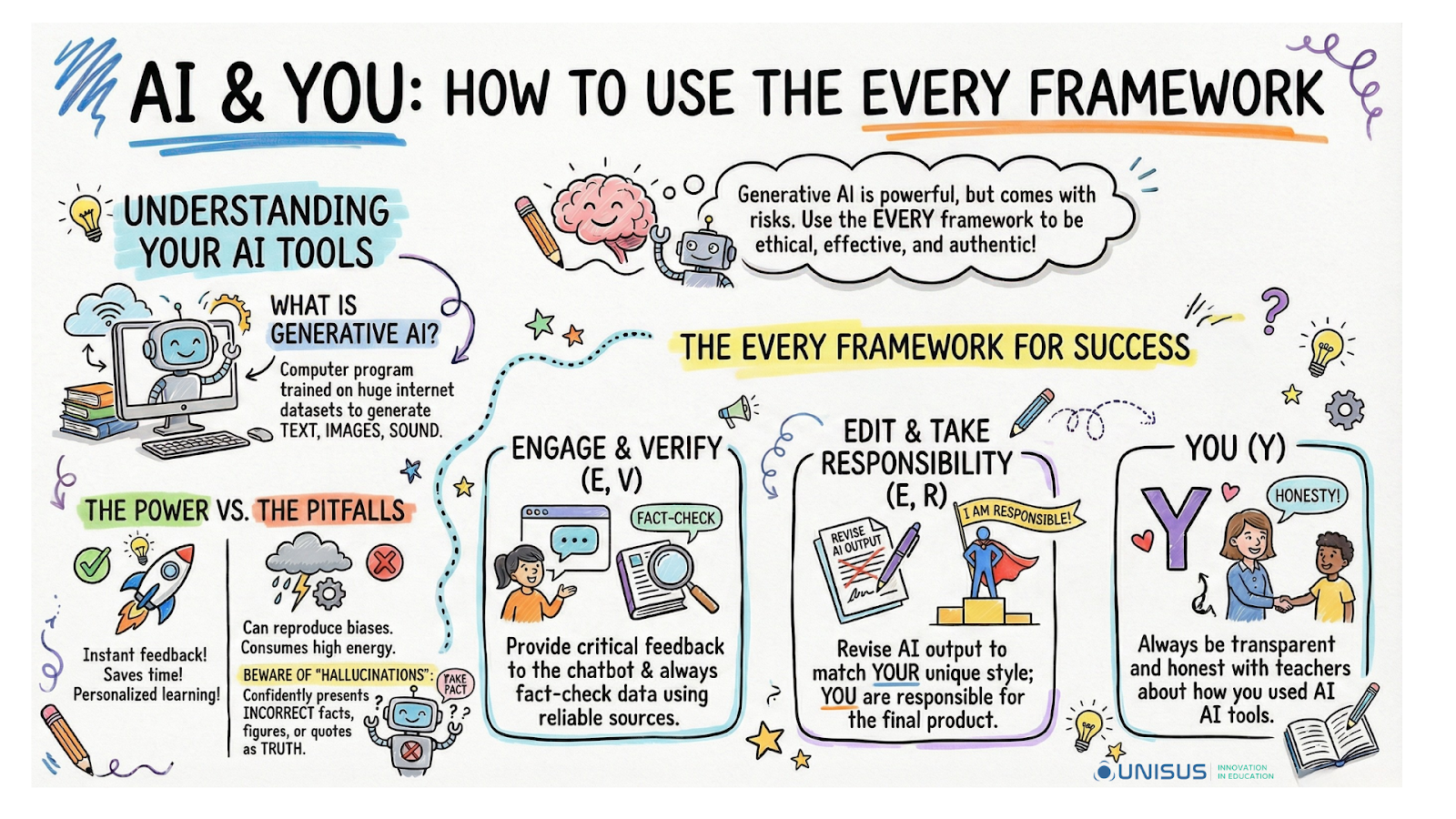
Responsible AI Use and Discernment
AI tools can be powerful supports for learning, but they require thoughtful and responsible use. Discernment means evaluating information critically, recognizing limitations, and making ethical choices about when and how to use AI.
 Start My Worksheet
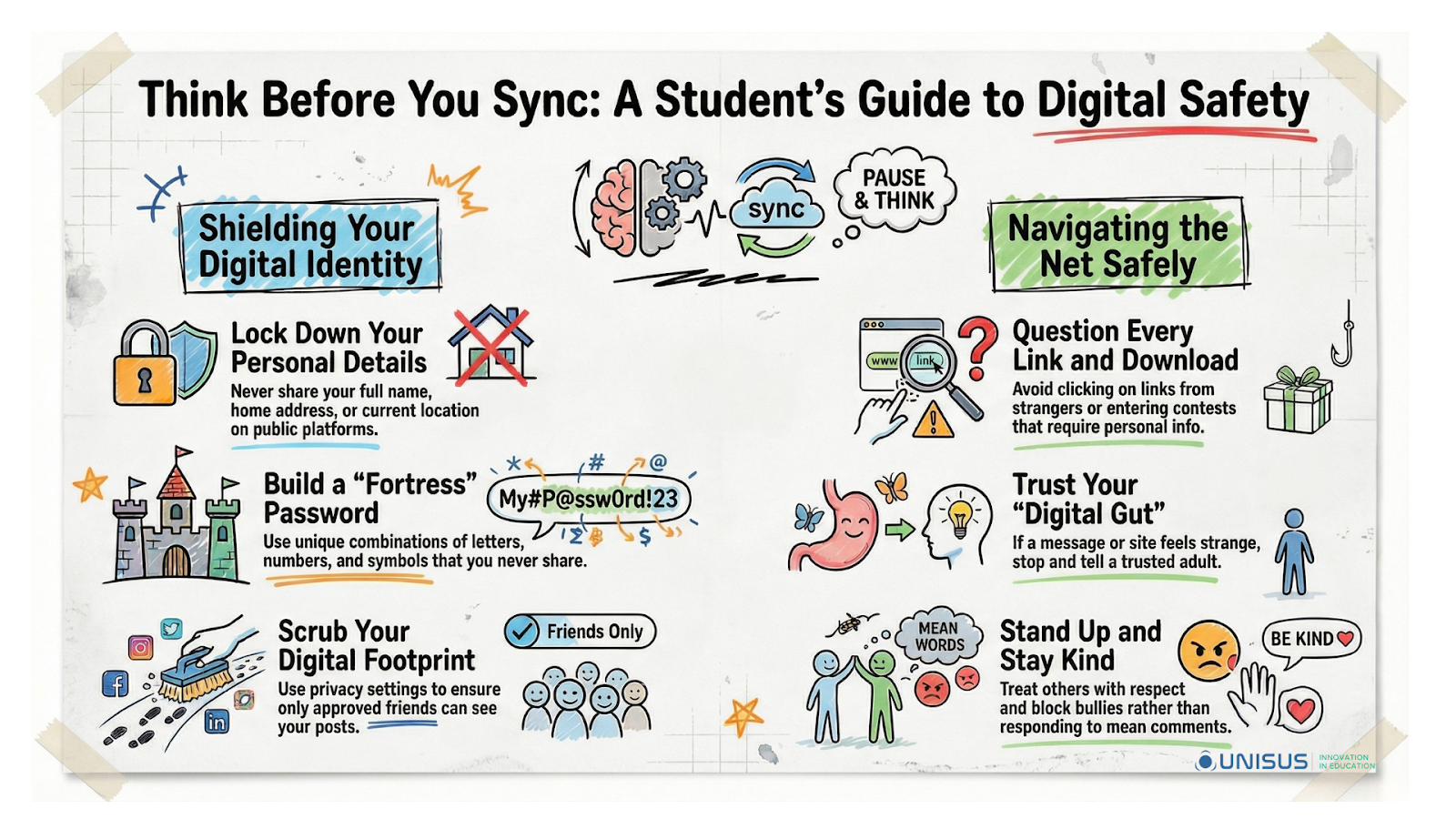
Digital Communication and Safety
Digital communication and safety involve interacting respectfully and responsibly online while protecting your privacy, wellbeing, and digital identity. These skills help you make good choices in online spaces and communicate with care.
 Start My Worksheet
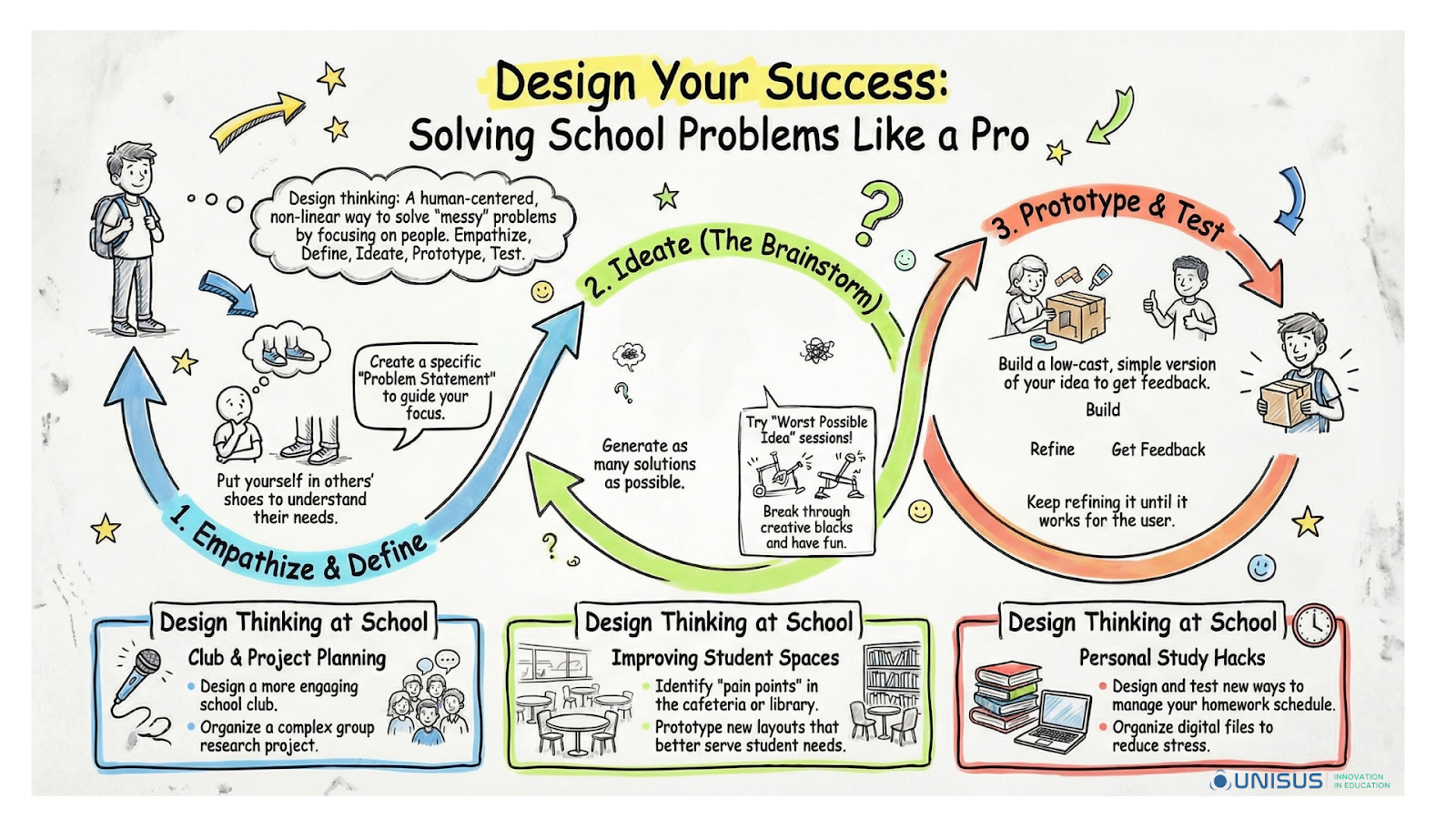
Problem Solving and Initiative
Problem solving and initiative involve noticing challenges, thinking through solutions, and taking action without waiting to be told. These skills help you become more independent, resourceful, and capable in both learning and life.
 Start My Worksheet
Partner Schools
Nurturing Future-Ready Growth — Together
As more schools engage with the Future Ready Program, we begin to build a deeper, shared understanding of how students grow — and how we can better support that growth across different contexts.
In today's world, what gets measured gets treasured!However, this is not just about measuring development.
It is about intentionally nurturing it — together.
A Shared Learning Ecosystem
The Future Ready Program enables schools to move beyond isolated student development and begin learning across communities.Over time, this creates the ability to:
- identify patterns in how skills develop across different ages and stages
- understand how growth varies across school environments and cultures
- recognize areas of strength within different communities
- share practices and approaches that support student development more effectively
This collective insight allows schools to continuously evolve — not in isolation, but as part of a broader learning network.
What Schools Gain
Schools implementing the Future Ready Program gain:
1. A clear, structured framework for developing future-ready skills
2. Student self-assessment and reflection tools
3. Actionable learning pathways aligned to student needs
4. Individual and school-wide insights into strengths and growth areas
5. A shared language for student development across staff, students, and families
See the insight in action
The Future Ready Program provides both individual and school-wide perspectives on student development.Includes individual profiles, focus areas, and aggregated school-wide insights.
How it works
1. Students complete self-assessments (typically 2–3 times per year)
2. Students reflect and identify personal focus areas
3. Learning pathways support targeted skill development
4. Schools receive both individual and aggregated insights
Growing together
The strength of the Future Ready Program increases as more schools participate.With a broader network, we can:
- deepen our understanding of student development
- compare trends across grades, regions, and contexts
- and learn from each other’s strengthsThis creates a powerful opportunity for shared growth — benefiting every student and every school involved. Once we have enough partner schools involved, we will publish aggregated reports, exclusiely for our partner schools.
get involved
If you are interested in exploring how the Future Ready Program could be implemented in your school, we would be happy to connect. We offer Pilot Programs to start.Contact Us Below